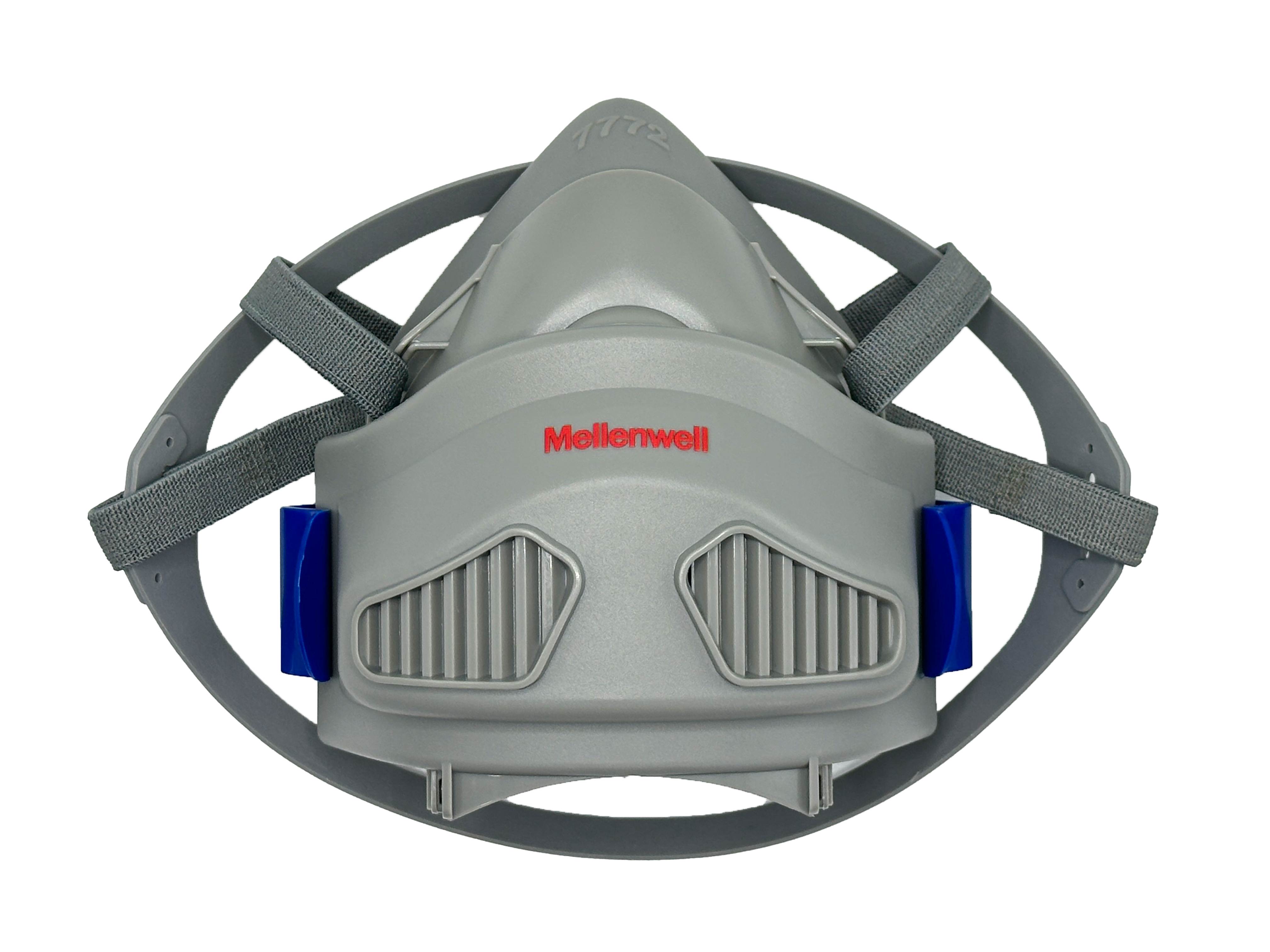
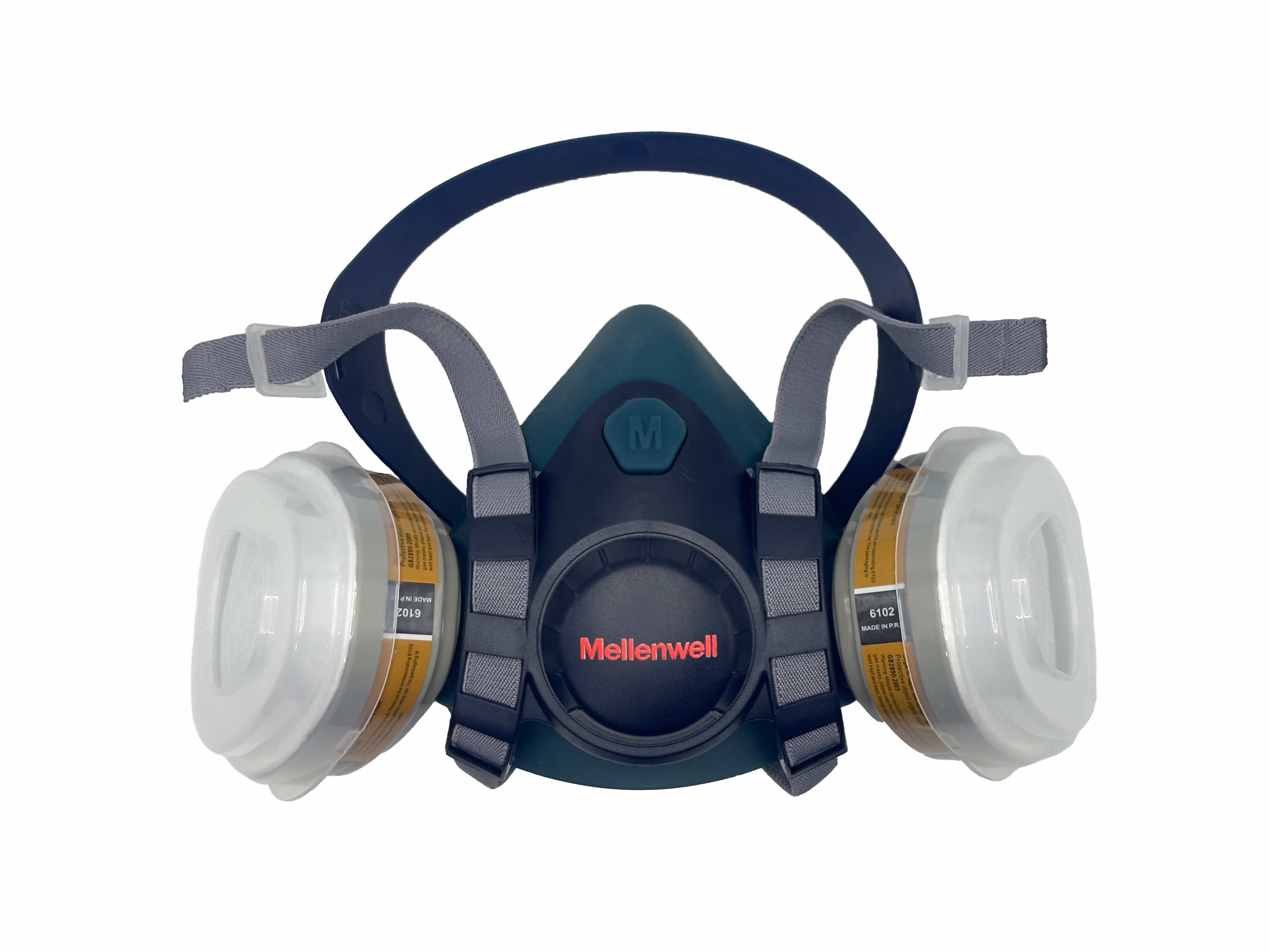
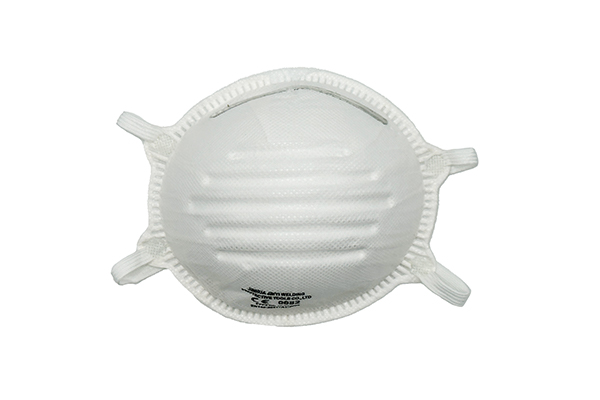
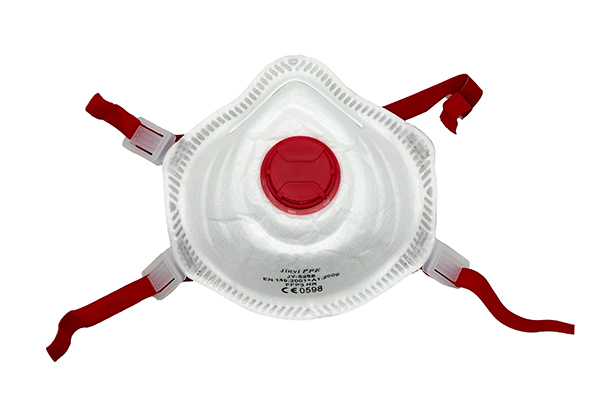
KEY WORDS:respirator with valvefilter cartridgecombined vapor cartridge


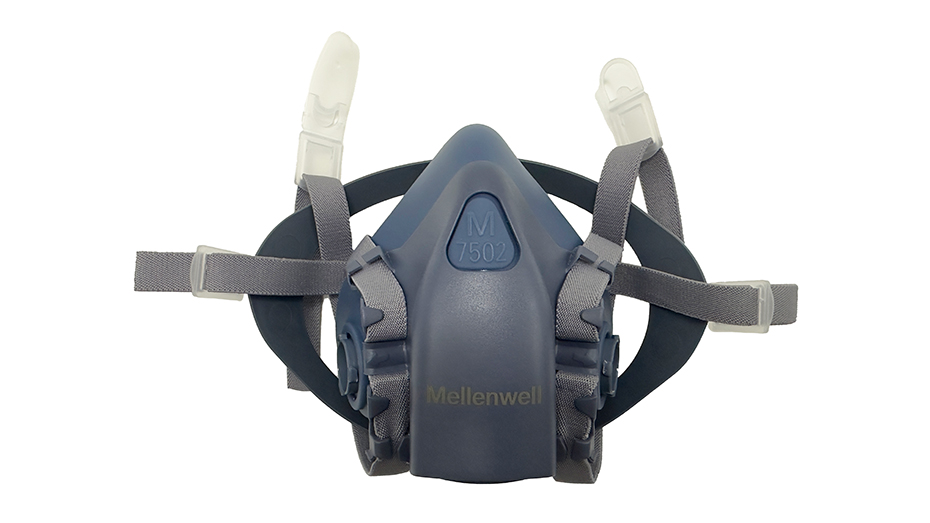
Respiratory protection equipment plays a vital role in safeguarding workers from airborne hazards in many industrial environments. From chemical plants and spray painting workshops to welding stations and manufacturing facilities, workers are often exposed to harmful gases, vapors, dust, and fumes. Choosing the right respirator is therefore essential not only for regulatory compliance but also for maintaining workplace health and productivity.
However, selecting suitable respiratory protection equipment involves more than simply choosing a mask. Buyers should evaluate several important factors to ensure the equipment provides reliable protection while remaining practical for everyday industrial use.
1. Type of Workplace Hazard
The first and most important factor when selecting respiratory protection equipment is identifying the specific airborne hazards present in the workplace.
Different industrial environments expose workers to different contaminants, including:
Dust and airborne particles generated during grinding, cutting, or material handling
Organic vapors from solvents, paints, and coatings
Chemical gases released during chemical processing or storage
Metal fumes produced during welding and metal fabrication
Because these hazards vary significantly, respirators must be paired with the appropriate filtration systems. For example, particulate filters are designed for dust protection, while specialized cartridges are needed to remove organic vapors or toxic gases.
Understanding the working environment helps ensure that the selected respirator can effectively address the specific risks workers face.
2. Filtration Performance and Technology
The filtration system is the core component of any respirator. High-quality respirators typically use multi-layer filtration structures designed to capture different types of contaminants.
These filtration systems may include:
Particle filtration layers that capture fine dust and aerosols
Activated carbon layers that absorb harmful gases and vapors
Pre-filters that extend the lifespan of the main filter element
A well-designed filtration system improves protection efficiency while maintaining good airflow for comfortable breathing. Buyers should evaluate whether the filter cartridges are suitable for the target application and whether replacement filters are readily available.
3. Mask Fit and Sealing Performance
Even the most advanced filtration system cannot provide effective protection if the respirator does not seal properly against the user’s face. Poor sealing allows contaminated air to bypass the filter and enter the breathing zone.
When evaluating respirators, buyers should consider:
Flexible sealing materials that adapt to different face shapes
Adjustable head straps that maintain a stable fit during movement
Ergonomic designs that reduce pressure on the face
A comfortable and secure seal helps ensure that the respirator performs as intended, especially during long working hours in demanding industrial environments.
4. Comfort for Long-Term Use
Workers often wear respirators for extended periods, so comfort plays a crucial role in ensuring consistent usage. If respirators are uncomfortable, workers may remove them frequently, which increases exposure to harmful substances.
Important comfort factors include:
Lightweight mask structures
Soft sealing materials
Balanced breathing resistance
Adequate ventilation inside the mask
Respirators designed with user comfort in mind are more likely to be worn correctly throughout the work shift, improving overall safety outcomes.
5. Compliance with Safety Standards
Industrial respiratory protection equipment should comply with recognized safety certifications and regulatory standards. These certifications verify that the equipment meets basic safety and performance requirements.
Common international certifications may include standards related to respiratory protection performance, filtration efficiency, and safety testing. Compliance with these standards ensures that the respirator can legally enter certain markets and meet workplace safety expectations.
For international buyers and distributors, certification is often a key factor in procurement decisions.
6. Cost and Long-Term Value
While price is always an important consideration, buyers should focus on overall value rather than the lowest initial cost. Respirators that balance reliable protection, durability, and affordable pricing can provide better long-term value.
Reusable respirators with replaceable filters are often more economical for industrial environments because the mask body can be used repeatedly while only the filter elements need periodic replacement.
For many companies, this approach helps control safety equipment costs while maintaining adequate protection for workers.
7. Supply Stability and Delivery Time
For distributors, industrial buyers, and cross-border e-commerce sellers, a stable supply chain is essential. Respiratory protection equipment may be required on a continuous basis, especially in factories with large workforces.
When selecting a supplier, buyers should evaluate:
Production capacity and manufacturing reliability
Delivery lead times for both standard and customized orders
Availability of replacement filters and spare components
A reliable supplier helps ensure that businesses can maintain consistent inventory and avoid disruptions to workplace safety programs.
Choosing the right respiratory protection equipment requires careful consideration of multiple factors, including workplace hazards, filtration performance, mask fit, comfort, safety certifications, cost efficiency, and supply reliability.
By evaluating these aspects before making a purchasing decision, companies can ensure that workers receive effective respiratory protection while maintaining operational efficiency and regulatory compliance.
As industrial safety awareness continues to grow worldwide, investing in appropriate respiratory protection equipment remains one of the most important steps organizations can take to protect their workforce and create safer working environments.

Tel: +86 15992462208
whatsapp: +86 15992462208

mellenwell2208@gmail.com

Room 206, Building H, 2058 E-commerce Creative Park, Longyancheng, Huanggang Town, Raoping County, Guangdong Province, China.
Worktime: Monday to Saturday (24 hours online)
We also offer customization