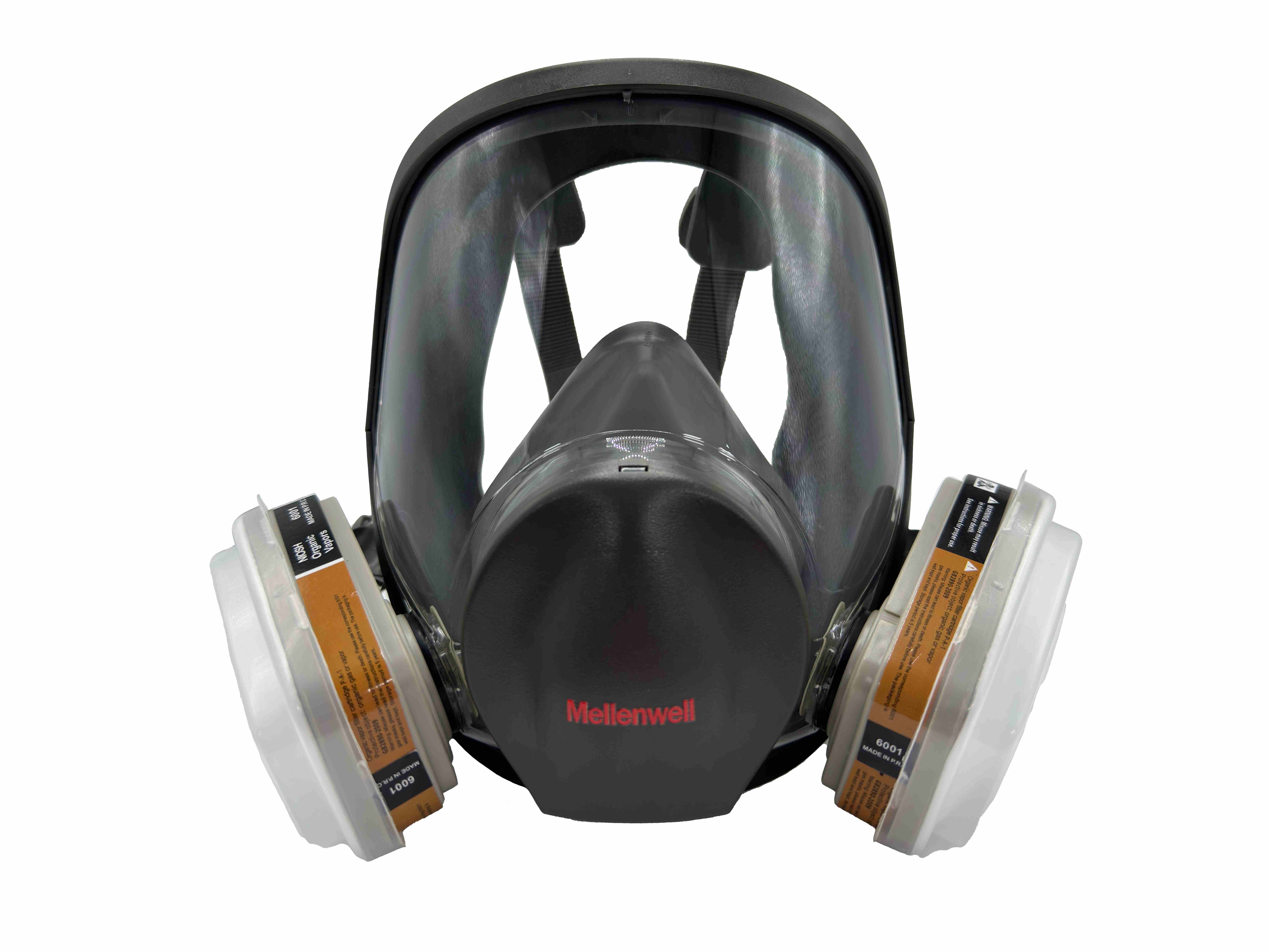
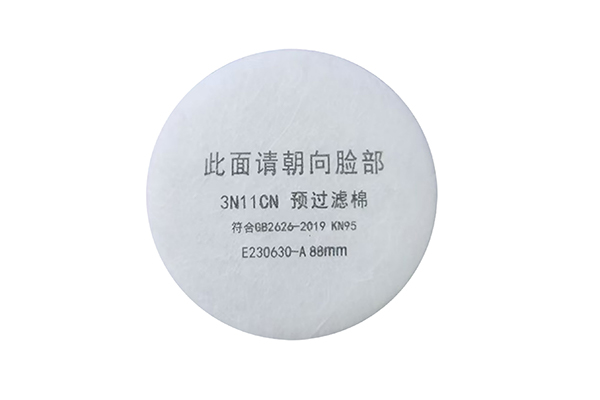
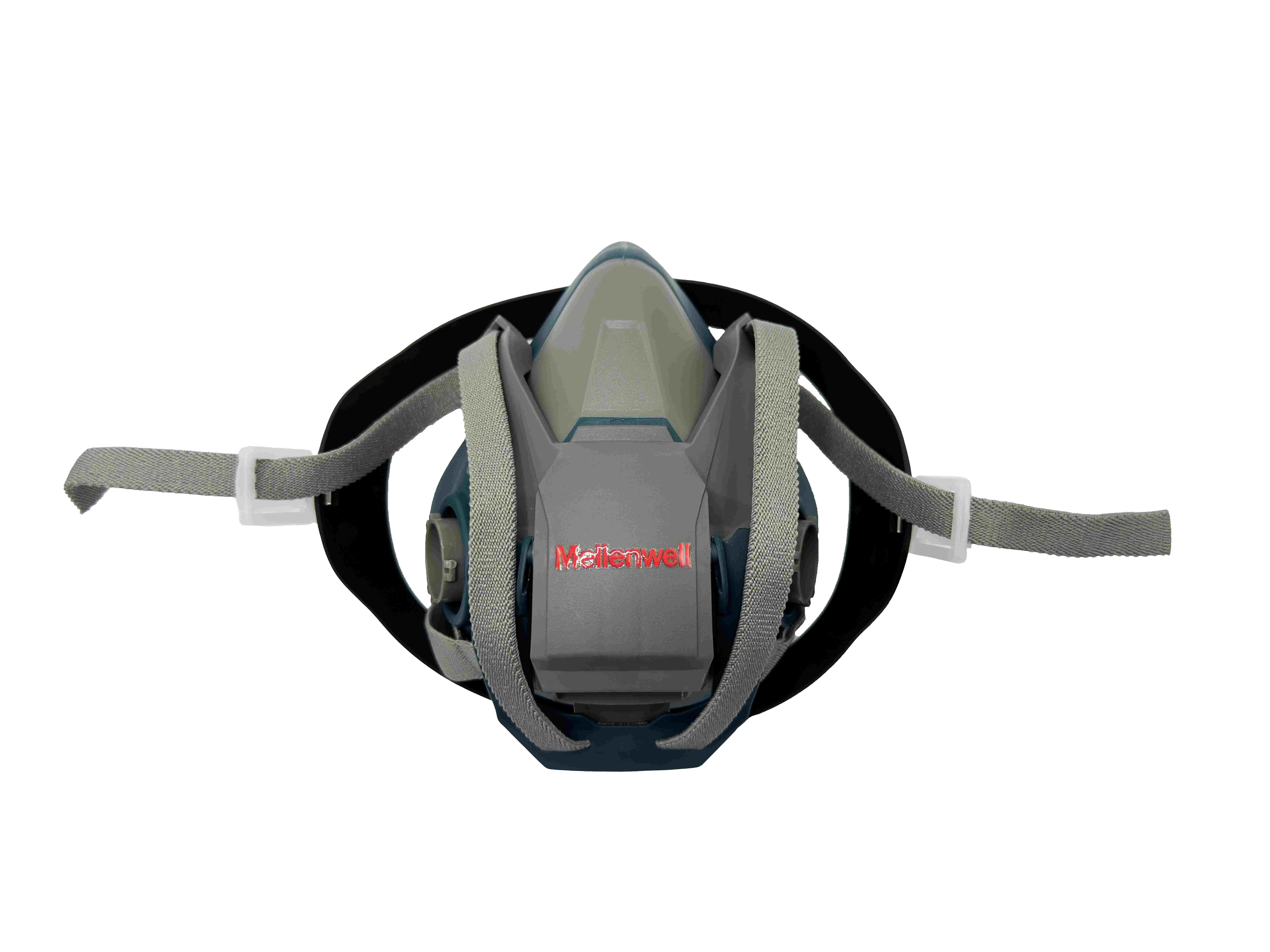
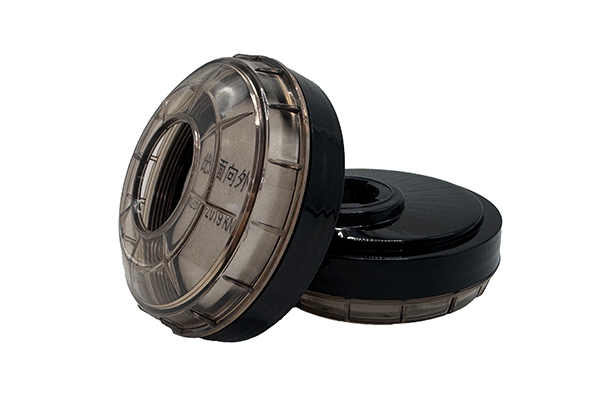
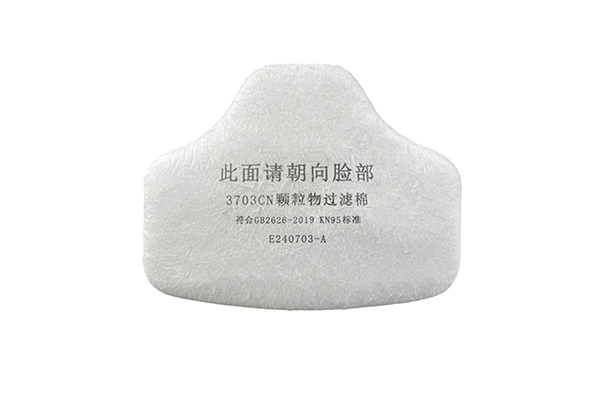
KEY WORDS:respirator with valvefilter cartridgecombined vapor cartridge


Manufacturing plants are essential to modern industry, producing everything from chemicals and machinery to electronics and construction materials. However, many manufacturing processes generate airborne hazards that can affect worker health. Dust, fumes, organic vapors, and other harmful substances may be released during activities such as welding, grinding, painting, chemical handling, and material processing.
To reduce these risks and protect employees, many factories rely on respirators as a critical part of their workplace safety programs. Properly designed respirators help workers breathe safer air, reduce exposure to harmful contaminants, and support a healthier and more productive working environment.
Common Airborne Hazards in Manufacturing Plants
Manufacturing environments often involve processes that produce airborne pollutants. Some of the most common hazards include:
Industrial Dust and Particles
Grinding, cutting, and material handling operations can release large amounts of dust into the air. Fine particles may enter the respiratory system and cause irritation or long-term respiratory issues.
Chemical Vapors and Organic Solvents
Factories that use paints, coatings, adhesives, or chemical substances may release vapors that can affect the lungs and nervous system if inhaled over time.
Welding Fumes and Metal Particles
Welding and metal fabrication processes generate fumes containing metal oxides and other microscopic particles that can be harmful when inhaled.
Gas and Chemical Exposure
Certain manufacturing sectors, especially chemical processing plants, may expose workers to potentially harmful gases during production or maintenance activities.
Because many of these contaminants are invisible or difficult to detect without specialized equipment, respiratory protection becomes an important preventive measure.
The Role of Respirators in Worker Protection
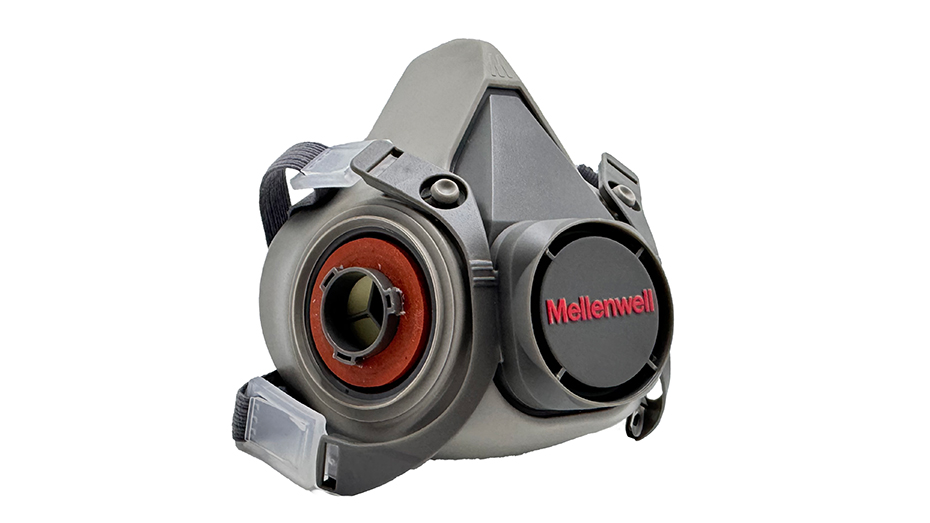
Respirators are designed to filter or block harmful airborne substances before they reach the user’s respiratory system. When worn correctly, they create a protective barrier between the worker and the surrounding contaminated air.
Most industrial respirators use advanced filtration systems to remove particles, vapors, or gases from the air. Depending on the design, respirators may include replaceable filter cartridges that target specific contaminants present in the workplace.
This filtration process significantly reduces the amount of harmful substances that workers inhale during daily operations.
Improving Safety Through Better Air Filtration
One of the key advantages of modern respirators is their multi-layer filtration technology. These systems combine different filtering materials to capture both particles and gases.
For example:
Pre-filters capture larger dust particles.
High-efficiency filtration layers trap fine particulate matter.
Activated carbon layers adsorb harmful gases and organic vapors.
By combining these filtration mechanisms, respirators provide comprehensive protection against a wide range of industrial airborne hazards.
Enhancing Worker Comfort and Productivity
Safety equipment must not only protect workers but also remain comfortable during long working hours. Modern respirators are designed with ergonomics in mind.
Features such as soft sealing materials, adjustable head straps, and optimized airflow resistance help improve comfort and breathability. When workers feel comfortable wearing protective equipment, they are more likely to use it consistently, which greatly improves overall workplace safety.
In addition, a well-designed respirator can reduce fatigue caused by breathing resistance, allowing workers to maintain productivity throughout their shifts.
Supporting Compliance with Safety Standards
Many countries and regions require employers to provide appropriate respiratory protection for workers exposed to airborne hazards. Manufacturing plants that implement proper respirator programs can better comply with workplace safety regulations and industry standards.
This includes selecting appropriate respirator types, training workers on proper usage, and maintaining equipment through regular inspections and filter replacement.
By adopting these practices, companies demonstrate their commitment to employee health and safety.
Creating a Safer Manufacturing Environment
Respirators are a vital component of workplace safety in manufacturing plants. By filtering harmful dust, fumes, vapors, and gases, these protective devices help reduce the risk of respiratory illnesses and improve the overall working environment.
When integrated with other safety measures—such as ventilation systems, hazard monitoring, and worker training—respirators play an essential role in protecting employees from airborne hazards.
As manufacturing industries continue to develop and safety awareness increases worldwide, the use of reliable respiratory protection equipment will remain an important step toward building safer and more responsible workplaces.

Tel: +86 15992462208
whatsapp: +86 15992462208

mellenwell2208@gmail.com

Room 206, Building H, 2058 E-commerce Creative Park, Longyancheng, Huanggang Town, Raoping County, Guangdong Province, China.
Worktime: Monday to Saturday (24 hours online)
We also offer customization