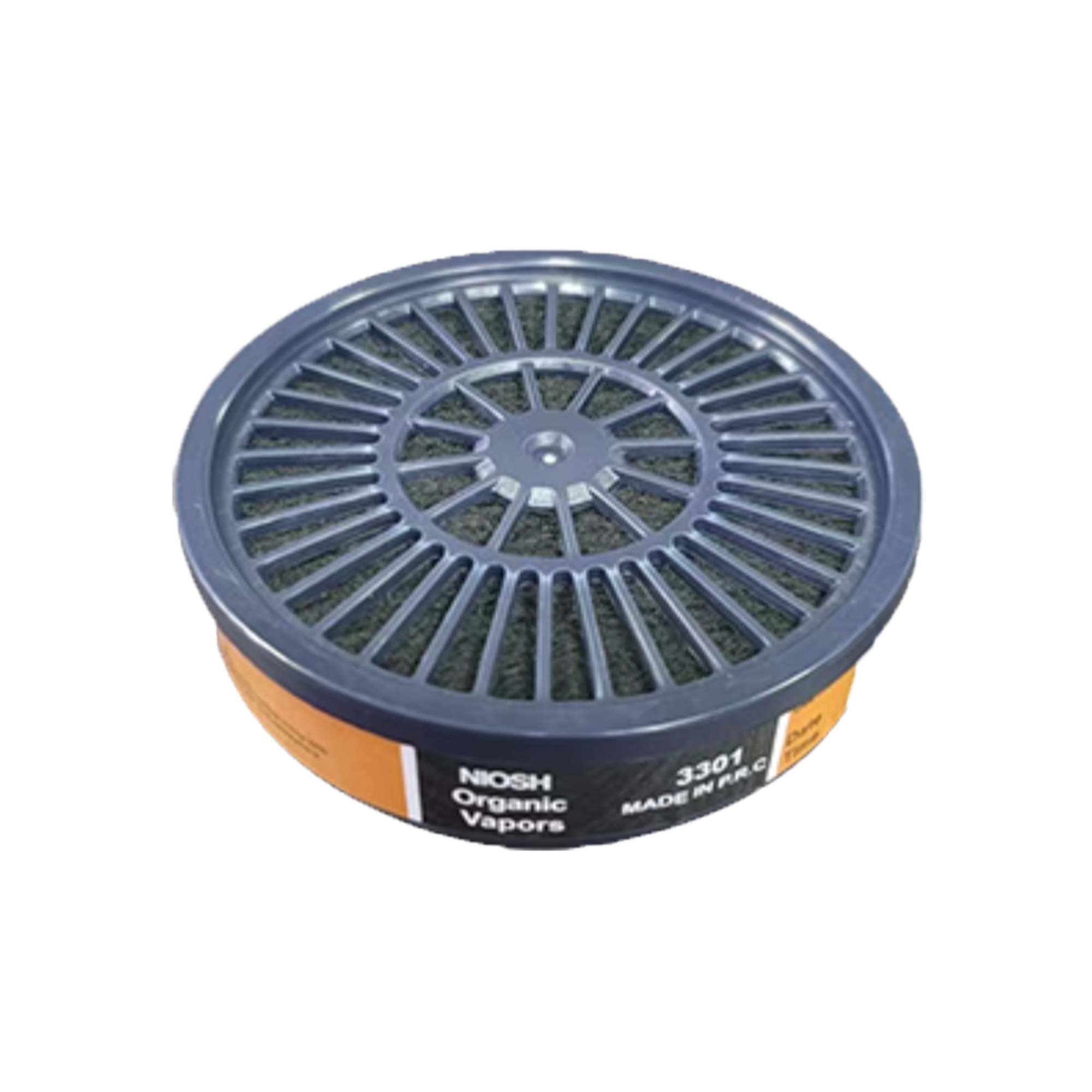
KEY WORDS:respirator with valvefilter cartridgecombined vapor cartridge


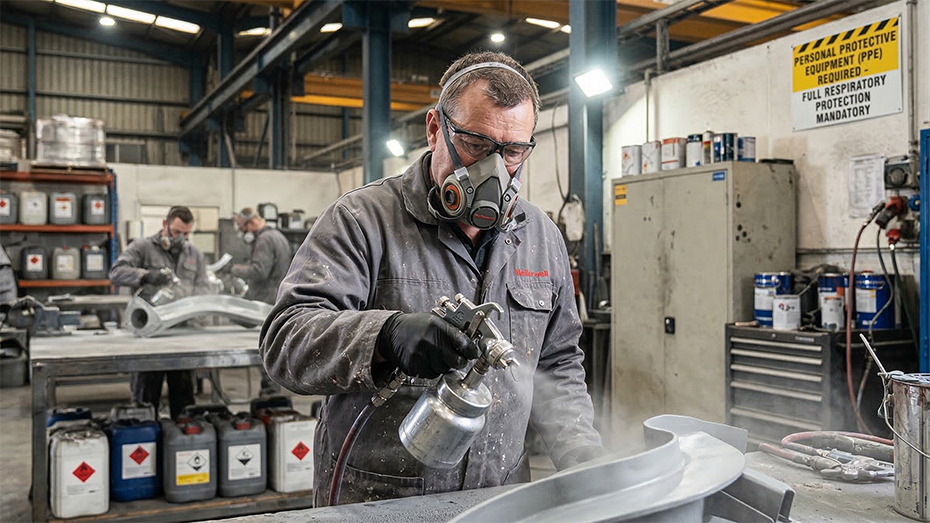
In many industrial environments, workers are frequently exposed to hazardous airborne substances such as toxic gases, organic vapors, and fine particles. Industries including chemical manufacturing, spray painting, welding, mining, and laboratory operations all involve processes that can release harmful pollutants into the air. Without proper respiratory protection, these contaminants may pose serious health risks to workers.
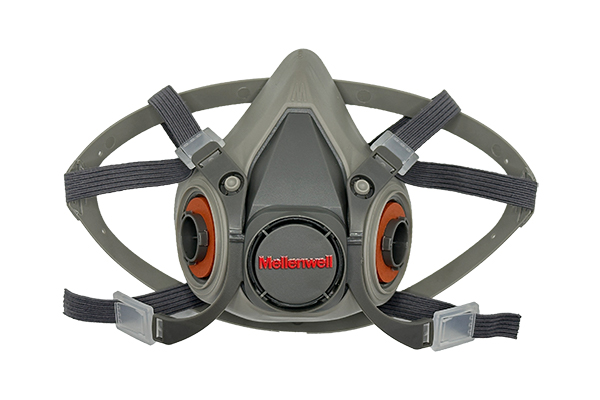
One of the most effective solutions for protecting workers from such hazards is the use of respirators equipped with specialized filter cartridges. These filters play a crucial role in preventing toxic substances from entering the respiratory system and help maintain a safer working environment.
Understanding the Risks of Toxic Gases in Industrial Workplaces
Toxic gases and vapors are often invisible and difficult to detect without specialized monitoring equipment. Common examples include organic solvents used in painting operations, chemical vapors released during industrial production, and gases generated during welding or metal processing.
Prolonged exposure to these substances can lead to a range of health problems, including respiratory irritation, dizziness, headaches, and in severe cases, long-term lung damage or other occupational illnesses. Because these risks may not be immediately noticeable, workers may unknowingly inhale harmful substances if proper protective equipment is not used.
This is why respiratory protection equipment—particularly respirators with effective filtration systems—has become an essential component of industrial safety programs.
The Basic Principle of Respirator Filtration
Respirator filters are designed to remove harmful contaminants from the air before it is inhaled by the user. When a worker breathes through a respirator, the incoming air passes through the filter cartridge, where different filtration mechanisms work together to capture or neutralize hazardous substances.
These filtration mechanisms typically include:
Mechanical Filtration
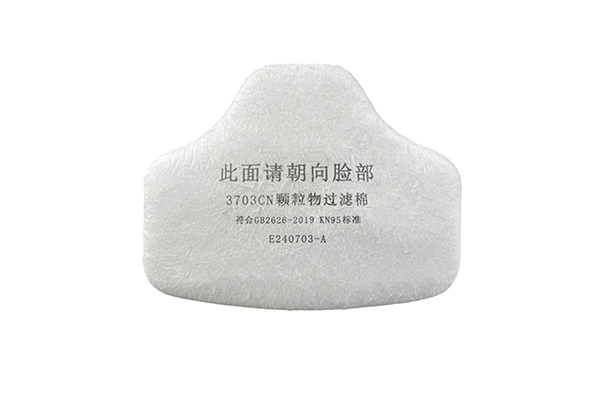
Mechanical filters trap airborne particles such as dust, fumes, and aerosols. As contaminated air passes through the filter material, tiny fibers capture particles through interception, impaction, and diffusion.
Activated Carbon Adsorption
Many respirator filters designed for gas protection contain layers of activated carbon. Activated carbon has a highly porous structure that can adsorb harmful gases and organic vapors onto its surface. This process effectively prevents these contaminants from entering the breathing zone.
Multi-Layer Filtration Structure
Modern respirator filters often combine several filtration layers. Each layer performs a specific function, such as pre-filtering particles, absorbing gases, or stabilizing airflow. This multi-layer design improves filtration efficiency while maintaining comfortable breathing resistance for the user.
Types of Respirator Filters for Different Hazards
Different workplace hazards require different types of respirator filters. Selecting the appropriate filter is essential to ensure effective protection.
Organic Vapor Filters
These filters are commonly used in painting, coating, and chemical processing environments where organic solvents are present.
Particulate Filters
Designed to capture dust, fumes, and airborne particles generated in industries such as construction, welding, and mining.
Combination Filters
Some filters combine both gas and particulate protection, allowing workers to handle environments where multiple contaminants may be present simultaneously.
Understanding the specific hazards in a workplace is critical when choosing the correct filter type.
The Importance of Proper Mask Sealing
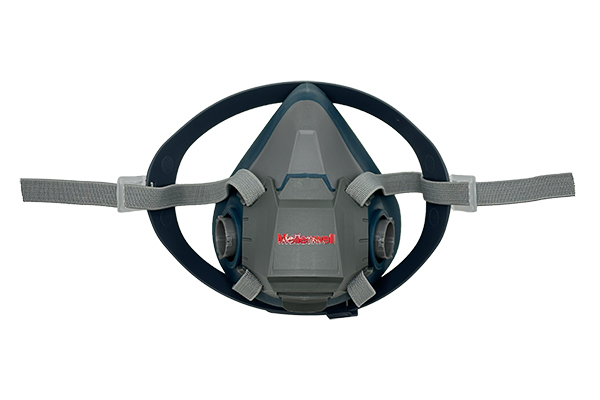
Even the most advanced filter cannot provide adequate protection if the respirator does not seal properly against the face. A secure seal prevents contaminated air from bypassing the filter and entering the mask directly.
High-quality respirators are typically designed with flexible sealing materials and adjustable head straps to ensure a close fit. Workers should also perform a simple fit check each time they wear the respirator to confirm that the mask is properly sealed.
Maintaining Filter Performance
Respirator filters do not last indefinitely. Over time, the filtration materials become saturated with captured contaminants, which can reduce their effectiveness. For this reason, filters must be replaced regularly according to the manufacturer's recommendations or workplace safety guidelines.
Proper storage is also important. Filters should be kept in clean, sealed packaging when not in use to prevent premature exposure to contaminants.
Routine inspection and timely replacement ensure that respirators continue to provide reliable protection for workers.
Building a Safer Workplace
Respirator filters are a critical component of industrial respiratory protection systems. By effectively removing harmful gases, vapors, and airborne particles from the air, these filters help safeguard workers from invisible hazards that could otherwise pose serious health risks.
When combined with proper respirator selection, correct usage, and regular maintenance, respirator filtration systems provide a practical and reliable solution for protecting workers in hazardous environments.
As industries continue to prioritize occupational safety, the role of respirator filters in protecting workers from toxic gases will remain essential in maintaining healthier and more productive workplaces.

Tel: +86 15992462208
whatsapp: +86 15992462208

mellenwell2208@gmail.com

Room 206, Building H, 2058 E-commerce Creative Park, Longyancheng, Huanggang Town, Raoping County, Guangdong Province, China.
Worktime: Monday to Saturday (24 hours online)
We also offer customization