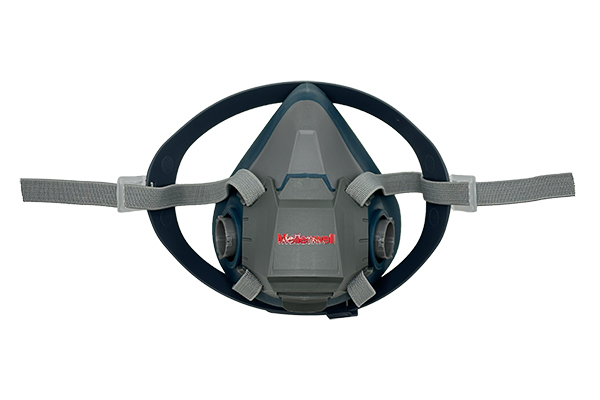
KEY WORDS:respirator with valvefilter cartridgecombined vapor cartridge


In modern industrial environments, protecting workers from airborne hazards has become an increasingly important priority. Industries such as chemical processing, spray painting, welding, mining, and manufacturing frequently expose workers to dust, fumes, organic vapors, and other harmful substances. As workplace safety standards continue to improve and companies place greater emphasis on employee health, the demand for effective respiratory protection equipment has grown rapidly. Among the available solutions, reusable respirators are gaining significant attention for their practicality, cost efficiency, and reliable protection.
Rising Awareness of Workplace Respiratory Hazards
Airborne contaminants remain one of the most common risks in industrial workplaces. Workers in painting operations may be exposed to solvent vapors, welders encounter metal fumes and fine particles, while employees in chemical plants often handle volatile compounds that can harm respiratory systems. Long-term exposure to these substances may lead to respiratory illnesses, reduced productivity, and increased workplace health risks.
As governments and regulatory bodies strengthen occupational safety regulations, companies are increasingly required to provide proper respiratory protection equipment. At the same time, employers are becoming more proactive in adopting protective solutions that not only meet compliance standards but also ensure worker comfort and efficiency during long working hours.
Why Reusable Respirators Are Becoming More Popular
Compared with disposable masks, reusable respirators offer several practical advantages that make them particularly suitable for industrial environments.
1. Long-Term Cost Efficiency
Reusable respirators are designed for extended use. While disposable masks must be replaced frequently, reusable respirators only require periodic replacement of filter cartridges. This significantly reduces long-term operating costs, especially for factories with large numbers of workers.
2. Improved Protection Performance
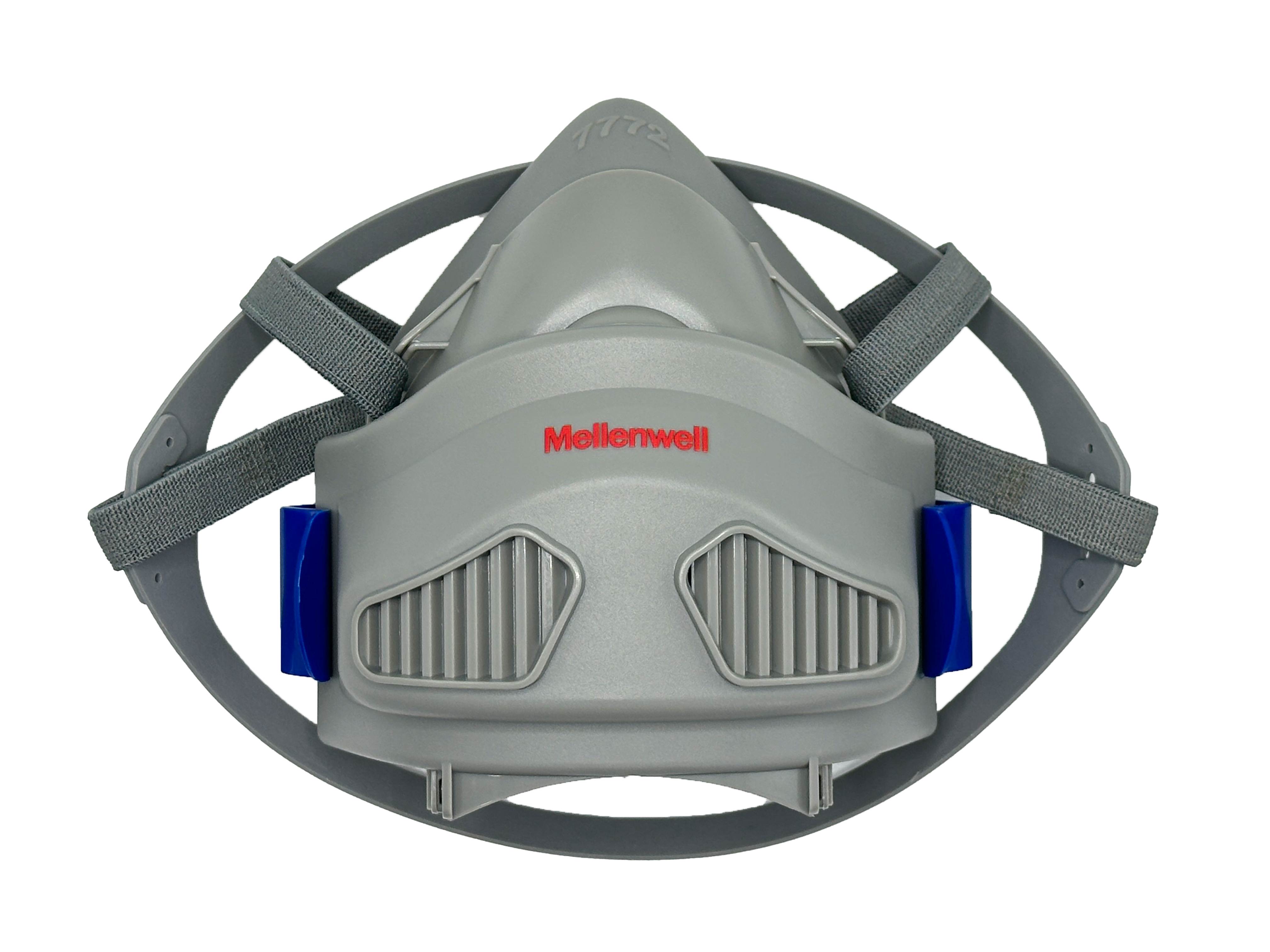
Industrial reusable respirators often feature multi-layer filtration systems that can effectively filter organic vapors, harmful gases, and airborne particles. When combined with proper filter cartridges, these respirators can provide reliable protection in a wide range of industrial environments.
3. Better Sealing and Comfort
Many reusable respirators are designed with soft sealing materials that fit closely to the face, helping prevent contaminated air from entering the mask. Adjustable head straps and ergonomic designs also improve comfort, allowing workers to wear them for extended periods without significant discomfort.
4. Reduced Environmental Impact
Because reusable respirators are designed for long-term use, they generate less waste than disposable alternatives. This makes them a more environmentally friendly option for companies seeking to reduce industrial waste while maintaining workplace safety.
Applications Across Multiple Industries
The demand for reusable respirators is increasing across a variety of industrial sectors.
In the chemical industry, workers handling volatile substances rely on respirators with specialized filter cartridges to prevent inhalation of harmful gases.
In spray painting and coating operations, respirators help protect workers from solvent vapors and paint particles that can irritate the respiratory system.
In welding and metal processing, respirators provide protection against metal fumes and fine particulate matter generated during grinding and welding processes.
Additionally, mining, construction, and manufacturing plants often require respiratory protection to minimize exposure to dust and other airborne contaminants.
As these industries continue to expand globally, the need for reliable and cost-effective respiratory protection equipment will continue to grow.
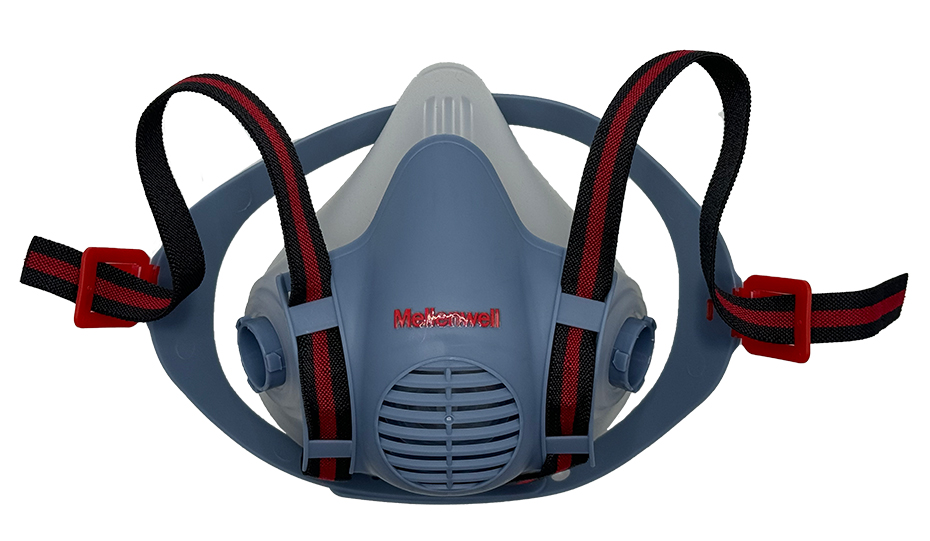
The Importance of Choosing the Right Respirator
Although reusable respirators offer many advantages, selecting the right product is essential to ensure effective protection. Factors such as filtration efficiency, mask sealing, compatibility with filter cartridges, and compliance with international safety standards should all be carefully considered.
Companies should also ensure that workers receive proper guidance on how to wear, maintain, and replace respirator filters. Regular inspection and timely filter replacement are key to maintaining consistent protection performance.
As industrial safety standards continue to evolve and companies invest more in employee health, reusable respirators are expected to play an increasingly important role in workplace protection. Their combination of reliable filtration performance, long-term cost advantages, and environmental benefits makes them an attractive solution for many industries.
For businesses seeking practical and efficient respiratory protection equipment, reusable respirators represent a balanced approach that combines safety, durability, and operational efficiency. As awareness of respiratory hazards continues to rise worldwide, the demand for these protective solutions is likely to keep growing in the years ahead.

Tel: +86 15992462208
whatsapp: +86 15992462208

mellenwell2208@gmail.com

Room 206, Building H, 2058 E-commerce Creative Park, Longyancheng, Huanggang Town, Raoping County, Guangdong Province, China.
Worktime: Monday to Saturday (24 hours online)
We also offer customization