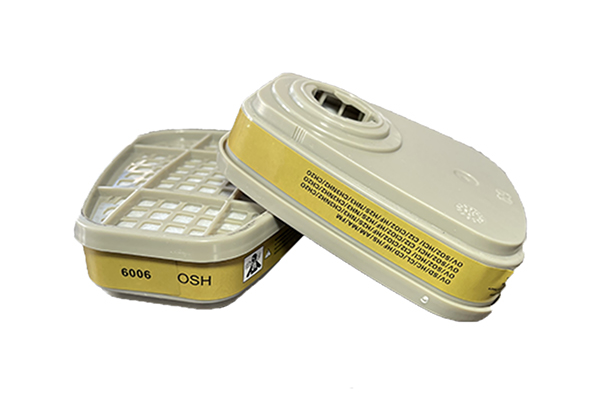
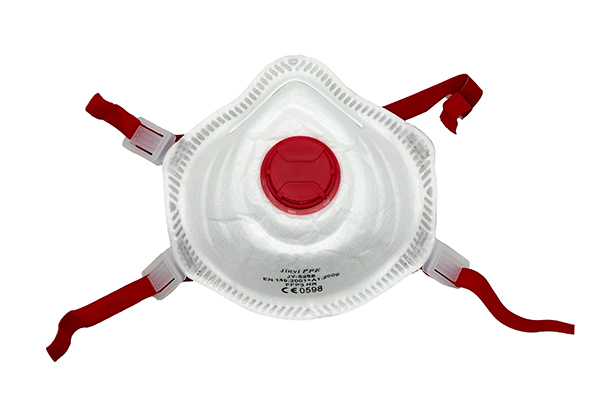
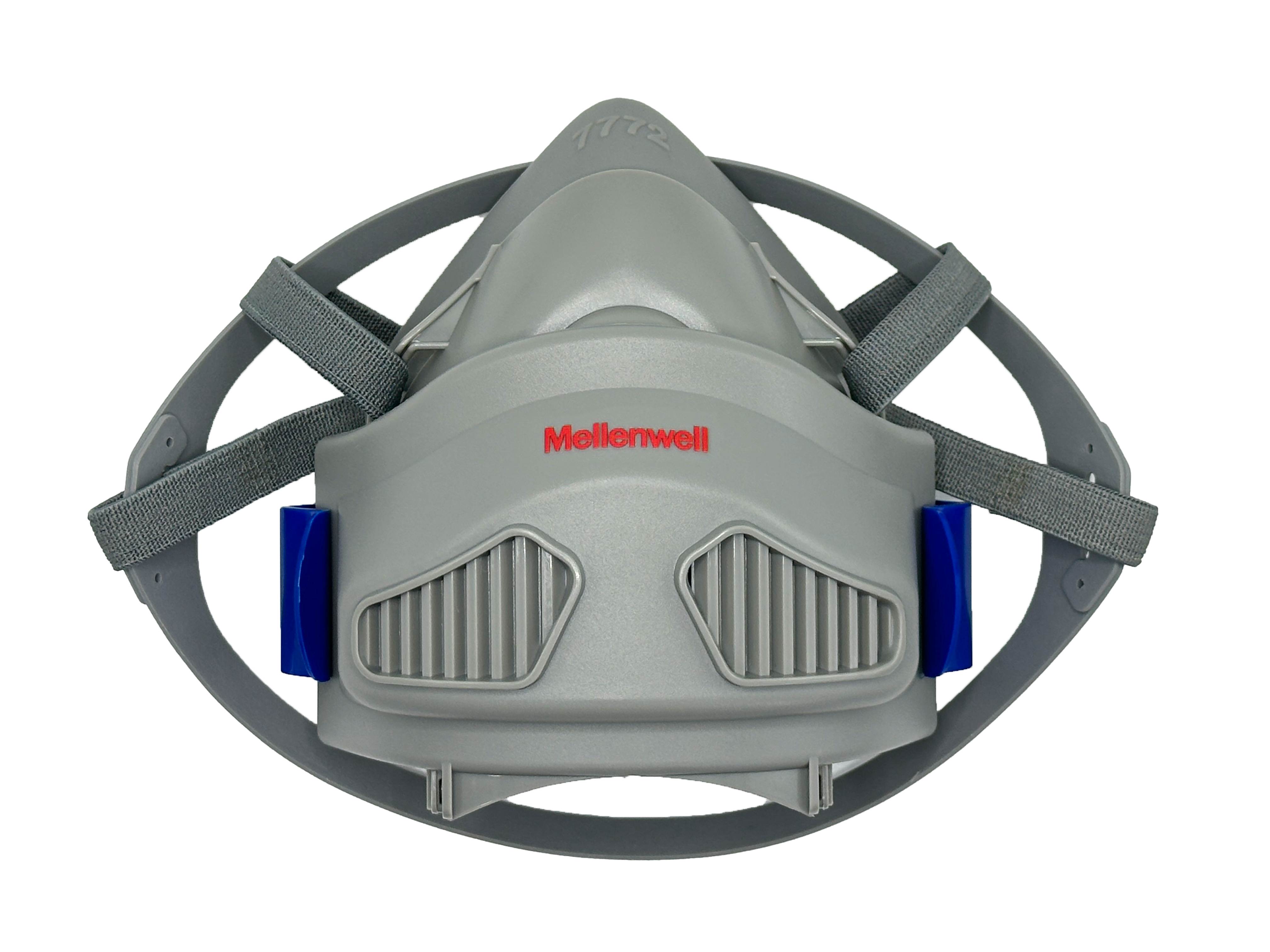
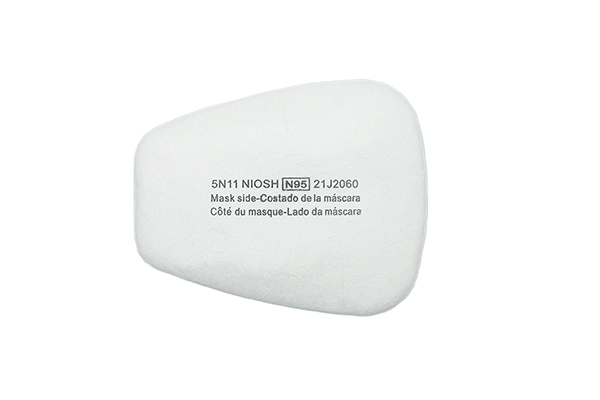
KEY WORDS:respirator with valvefilter cartridgecombined vapor cartridge


Reusable respirators are widely used in industrial environments to protect workers from harmful gases, vapors, and airborne particles. However, the effectiveness of a respirator does not depend only on its design or filtration performance—proper storage is equally important. Incorrect storage can damage the mask structure, reduce filtration efficiency, and shorten the lifespan of filters.
By following correct storage practices, companies and workers can maintain the protective performance of reusable respirators while ensuring hygiene and long-term usability.
Why Proper Storage Matters
Respirators and filters are designed to protect the wearer from hazardous substances. However, exposure to dust, moisture, chemicals, or sunlight during storage may compromise their performance.
Improper storage can lead to several problems:
Deformation of the mask sealing structure
Contamination of filters before use
Reduced adsorption capacity of filter cartridges
Growth of bacteria or mold due to moisture
These issues may reduce the respirator’s ability to provide reliable protection in hazardous work environments. Therefore, proper storage should be part of every workplace safety routine.
Clean the Respirator Before Storage
Before storing a reusable respirator, it should always be cleaned and inspected. After a work shift, masks may contain sweat, dust, or chemical residues that can degrade materials over time.
The basic cleaning process usually includes:
Removing the filter cartridges from the mask body
Washing the mask with mild soap and clean water
Rinsing thoroughly to remove any cleaning residue
Allowing the mask to air dry completely
Cleaning the respirator helps maintain hygiene and prevents contaminants from accumulating on the sealing surface.
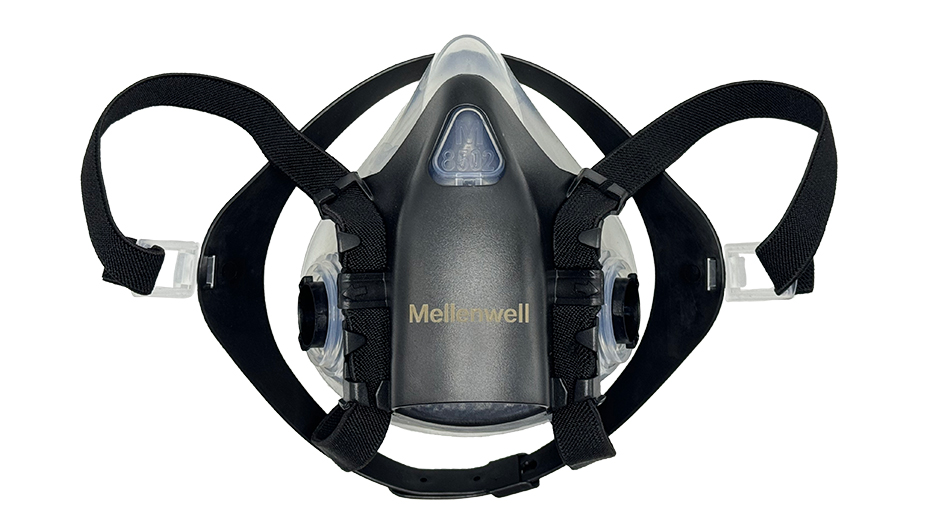
Store Filters Separately in Sealed Containers
Filters and cartridges should generally be stored separately from the respirator body. Once filters are exposed to air, they may begin absorbing contaminants from the environment, which can reduce their effective lifespan.
To protect the filters:
Store them in airtight bags or sealed containers
Keep them away from chemical vapors and dust
Avoid leaving them attached to the respirator when not in use
Sealed storage helps preserve the adsorption capacity of activated carbon filters and prevents unnecessary exposure to airborne contaminants.
Choose a Clean and Dry Storage Environment
The environment where respirators are stored plays an important role in maintaining their performance.
Ideal storage conditions include:
Low humidity, which prevents mold or material degradation
Clean air, free from dust and chemical vapors
Moderate temperature, avoiding extreme heat or cold
Protection from direct sunlight, which can damage rubber or plastic components
Many workplaces store respirators in dedicated lockers, sealed containers, or protective storage boxes to ensure they remain clean between uses.
Avoid Physical Damage
Respirators should be stored in a way that prevents deformation or mechanical damage. Crushing, bending, or placing heavy objects on top of masks may damage the sealing surface or distort the mask shape.
To protect the respirator:
Store it in a protective box or bag
Avoid folding the mask body unnecessarily
Keep it away from sharp objects or heavy equipment
Maintaining the original shape of the mask is essential for preserving a proper facial seal during use.
Regularly Check Expiration and Condition
Even when stored correctly, respirators and filters have a limited service life. Companies should establish regular inspection routines to ensure that equipment remains safe for use.
Important checks include:
Inspecting mask materials for cracks, deformation, or aging
Checking straps and valves for wear or damage
Verifying the expiration date of filter cartridges
Replacing filters according to usage frequency
Routine inspection helps identify potential issues before the respirator is used in hazardous environments.
Train Workers on Proper Storage Practices
Effective respirator protection programs should include basic training for workers on cleaning, storing, and maintaining their equipment.
Workers should understand:
How to remove and store filters properly
Where respirators should be kept after use
When filters need replacement
How to recognize signs of equipment damage
Proper training ensures that safety equipment is used and maintained correctly across the workplace.
Reusable respirators and filters are essential tools for protecting workers from harmful airborne hazards. However, their protective performance depends not only on design and filtration technology but also on correct storage and maintenance.
By cleaning respirators after use, storing filters in sealed containers, maintaining a clean and dry storage environment, and regularly inspecting equipment, companies can extend the lifespan of respiratory protection equipment while ensuring consistent safety for workers.
Proper storage practices ultimately help maintain the reliability and effectiveness of reusable respirators in demanding industrial environments.

Tel: +86 15992462208
whatsapp: +86 15992462208

mellenwell2208@gmail.com

Room 206, Building H, 2058 E-commerce Creative Park, Longyancheng, Huanggang Town, Raoping County, Guangdong Province, China.
Worktime: Monday to Saturday (24 hours online)
We also offer customization