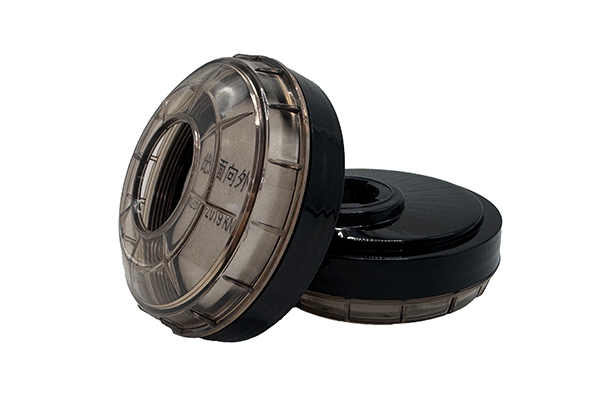
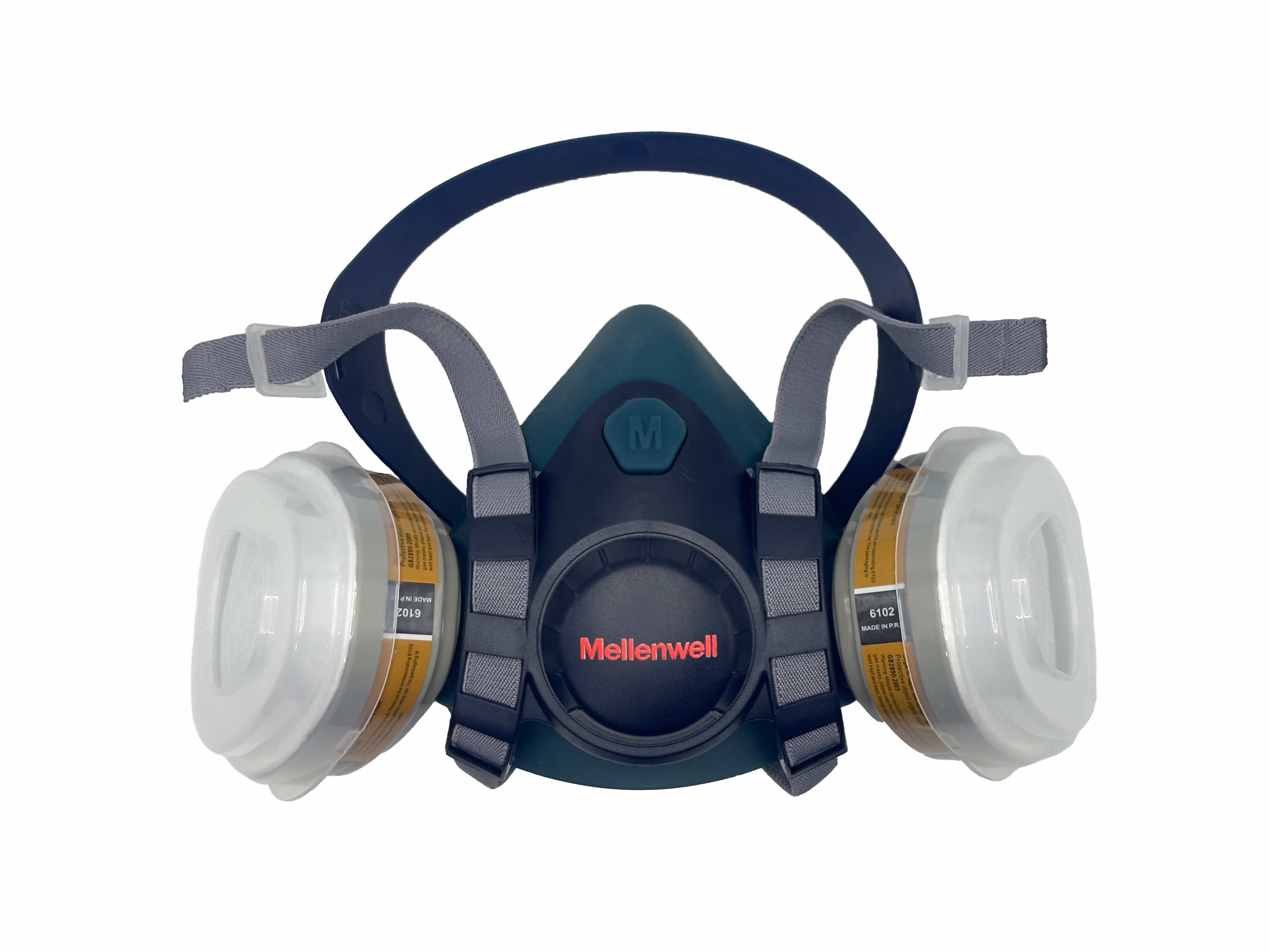
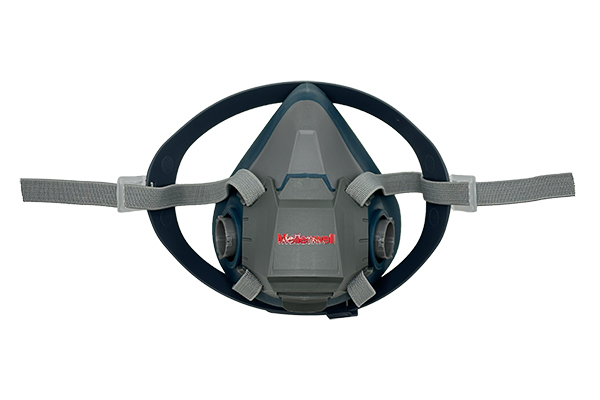
KEY WORDS:respirator with valvefilter cartridgecombined vapor cartridge


Spray painting and industrial coating processes are widely used in industries such as automotive manufacturing, furniture production, construction, metal fabrication, and electronics. While these processes deliver high-quality surface finishes, they also release hazardous airborne contaminants that can pose serious health risks to workers.
Because of these risks, respiratory protection equipment plays a critical role in protecting workers from inhaling harmful chemicals, fumes, and particles. A common question raised by safety managers and operators is: Are respirators suitable for spray painting and coating work?
The answer is yes—when the correct respirator type and filter are selected and used properly. This article explains the hazards involved in spray painting, how respirators protect workers, and what factors should be considered when choosing respiratory protection equipment.
Health Risks in Spray Painting and Coating Processes
Spray painting generates fine airborne droplets known as paint mist or overspray, which can remain suspended in the air for extended periods. These droplets often contain various hazardous substances, including:
Volatile Organic Compounds (VOCs) such as toluene and xylene
Isocyanates, commonly used in polyurethane coatings
Solvents and thinners used to control paint viscosity
Pigments and metal particles
Aerosolized coating chemicals
When inhaled, these substances can cause both short-term and long-term health effects, including:
Respiratory irritation
Headaches and dizziness
Skin and eye irritation
Occupational asthma
Lung damage
Increased risk of chronic respiratory diseases
Without proper protection, workers who regularly perform spray painting may experience serious health complications.
Why Respirators Are Essential for Spray Painting
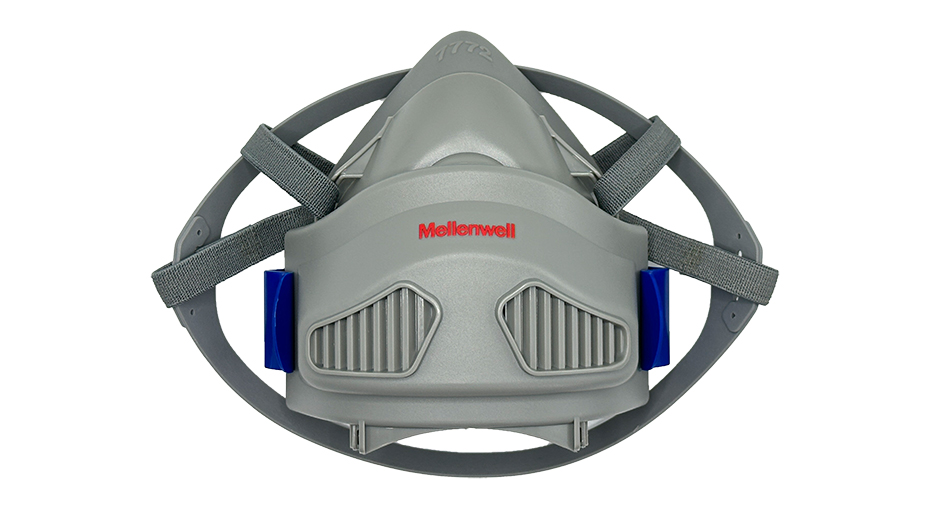
Respirators are specifically designed to filter or supply clean air, preventing hazardous contaminants from entering the respiratory system. In spray painting and coating environments, respirators provide several key benefits:
1. Protection from Harmful Vapors and Fumes
Many paints and coatings contain solvents that produce harmful vapors. A respirator equipped with appropriate chemical cartridges can filter out these vapors before they are inhaled.
2. Filtration of Fine Paint Particles
Spray painting produces extremely fine airborne particles that standard dust masks cannot effectively block. Respirators with particulate filters capture these particles, reducing exposure to paint mist and pigments.
3. Compliance with Workplace Safety Regulations
Many workplace safety regulations require respiratory protection when airborne contaminants exceed safe exposure limits. Using proper respirators helps companies meet occupational health and safety standards.
4. Improved Worker Comfort and Productivity
Modern respirators are designed for comfortable long-term wear, allowing workers to focus on their tasks without breathing discomfort or exposure risks.
Types of Respirators Suitable for Spray Painting
Not all respirators provide the same level of protection. Selecting the right type is essential for effective safety.
Half-Mask Respirators
Half-mask respirators cover the nose and mouth and are commonly used in painting applications. When paired with organic vapor cartridges and particulate filters, they can effectively protect against paint vapors and aerosols.
Full-Face Respirators
Full-face respirators protect the eyes, nose, and mouth, offering higher protection levels. They are often used in environments with high concentrations of solvent vapors or hazardous coatings.
Powered Air-Purifying Respirators (PAPR)
These systems use a powered fan to draw air through filters and deliver purified air to the user. They provide:
Higher comfort during long working hours
Reduced breathing resistance
Enhanced protection in heavy spray environments
Supplied-Air Respirators
For extremely hazardous coating materials—such as those containing isocyanates—supplied-air respirators may be recommended. These systems provide clean air from an external source, ensuring maximum respiratory protection.
Choosing the Right Respirator Filter for Spray Painting
Selecting the correct filter is just as important as choosing the respirator itself. Common filter types include:
Organic Vapor Cartridges – Designed to remove solvent vapors commonly found in paints and coatings
Particulate Filters – Capture paint mist and airborne particles
Combination Filters – Provide protection from both vapors and particles
In many spray painting applications, combination filters are the most suitable option because they address both hazards simultaneously.
Best Practices for Using Respirators in Spray Painting
Even the best respirator cannot provide full protection if it is used incorrectly. The following practices help ensure effective respiratory safety:
Proper Fit Testing
Respirators must fit tightly against the face to prevent contaminated air from leaking inside.
Regular Filter Replacement
Filters and cartridges have a limited service life. They should be replaced according to manufacturer guidelines or when breathing resistance increases.
Proper Cleaning and Maintenance
Reusable respirators should be cleaned regularly to prevent contamination and ensure long-term durability.
Worker Training
Employees should be trained on:
Correct respirator usage
Proper storage procedures
Recognizing filter replacement indicators
Spray painting and coating operations can expose workers to harmful airborne chemicals and particles. Without proper protection, these contaminants can lead to serious health risks over time.
Respirators are highly suitable and essential for spray painting work, provided that the correct respirator type and filters are selected. Whether using half-mask respirators, full-face respirators, or advanced powered systems, proper respiratory protection helps ensure a safer working environment and protects workers from hazardous exposure.
By choosing the right equipment and following proper safety practices, companies can effectively reduce workplace health risks while maintaining high-quality coating and painting operations.

Tel: +86 15992462208
whatsapp: +86 15992462208

mellenwell2208@gmail.com

Room 206, Building H, 2058 E-commerce Creative Park, Longyancheng, Huanggang Town, Raoping County, Guangdong Province, China.
Worktime: Monday to Saturday (24 hours online)
We also offer customization