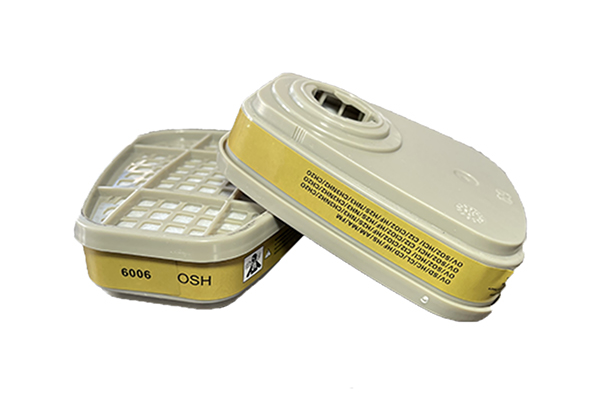
KEY WORDS:respirator with valvefilter cartridgecombined vapor cartridge


As a pillar industry of the national economy, the chemical industry frequently generates toxic and harmful gases, vapors and dusts such as benzene, hydrogen sulfide and chlorine during production, processing, storage and transportation. These substances constantly threaten the respiratory safety and physical health of operators, and may even cause severe occupational poisoning accidents. As core personal protective equipment (PPE) in the chemical sector,gas masks serve as the "last line of defense" against toxic substances and safeguard workers’ lives thanks to their convenience and targeted protective performance. Their scientific selection, standardized use and daily management are directly linked to the safe and stable operation of chemical production.
I. Respiratory Safety Hazards in the Chemical Industry: The Necessity of Gas Mask Application
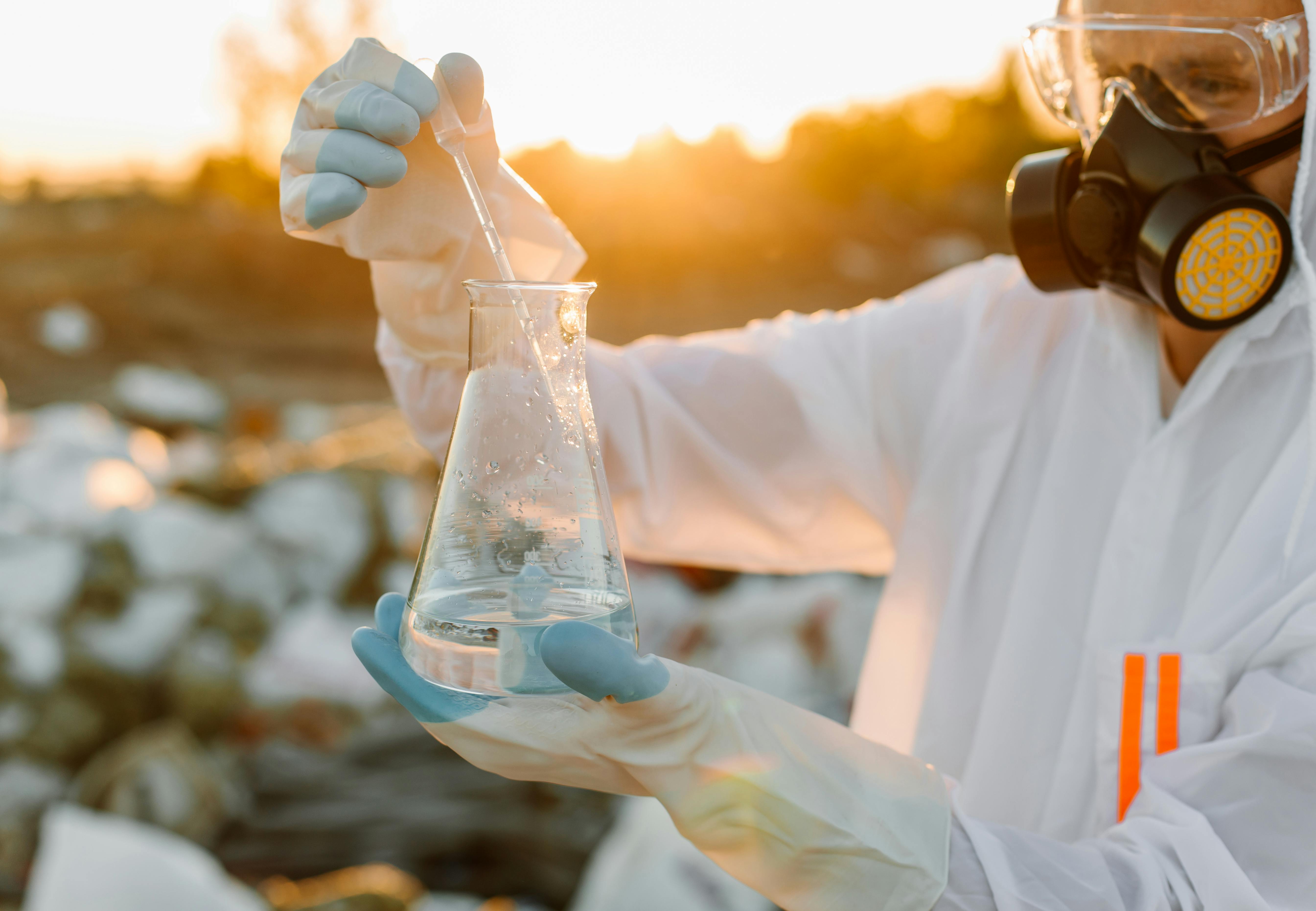
The complexity of chemical production scenarios leads to diverse and high-risk respiratory safety hazards. Unlike ordinary industrial environments, toxic and harmful substances in the chemical industry feature strong concealment, high toxicity and high corrosiveness, and exist throughout the whole process including raw material storage, reaction synthesis, equipment maintenance and emergency disposal. According to relevant statistics from the Ministry of Emergency Management, 42% of chemical poisoning accidents are related to "incorrect selection of gas masks" or "mismatched gas filter cartridges". The2025 China Occupational Health Blue Book shows that occupational health incidents caused by toxic and harmful gases/dust in the chemical industry account for 23%, with approximately 62% of such accidents resulting from the lack of protective equipment or improper use.
In such scenarios,gas masks effectively filter or isolate toxic and harmful substances through physical adsorption, chemical adsorption and catalysis, preventing them from entering the human respiratory system, making them indispensable "life-saving equipment" for chemical workers. Data from a chemical enterprise reveals that after the standardized use of gas masks, the exposure rate of harmful gases in workshops dropped from 18% to 3%, fully verifying their critical role in occupational health protection.
II. Management and Improvement of Gas Masks in the Chemical Industry: Building a Long-Term Effective Safety Line
For chemical enterprises,gas mask management is not only a responsibility to ensure employees’ personal safety but also an important part of enterprise safety production management. Enterprises shall establish a sound protective equipment management system, forming a full-process closed-loop management covering procurement, training, use, maintenance and replacement.
First, strictly control the procurement process by selecting products compliant with the GB 2890-2009 standard, avoiding unlicensed products, and ensuring that core performances such as mask airtightness and gas filtration efficiency meet requirements.Second, strengthen employee training by organizing regular sessions on gas mask selection, wearing, maintenance and emergency use, combined with emergency drills (e.g., hydrogen sulfide poisoning drills), to enhance employees’ safety awareness and practical capabilities. Employees shall master the selection and use of masks in different scenarios proficiently, eliminating the misconception that "wearing a mask guarantees safety".Third, establish a regular inspection and replacement mechanism by conducting comprehensive inspections of gas masks weekly, replacing aged and damaged masks as well as expired filter components in a timely manner, and reasonably determining replacement cycles according to the pollution level of the operating environment.Fourth, improve the supporting protection system. Sincegas masks only protect the respiratory tract, enterprises shall equip workers with protective clothing, gloves, goggles and other equipment to form an all-round personal protection system to address multiple safety hazards in the chemical industry.

Tel: +86 15992462208
whatsapp: +86 15992462208

mellenwell2208@gmail.com

Room 206, Building H, 2058 E-commerce Creative Park, Longyancheng, Huanggang Town, Raoping County, Guangdong Province, China.
Worktime: Monday to Saturday (24 hours online)
We also offer customization